
What do we do when our hard work results in something we didn't intend? Reflections on disruption, letting go, and the surprisingly beautiful practice of detaching from the outcome.
One year, we grew sphinx moths in our garden…
We didn’t mean to. I was determined to grow a vegetable garden that year. I joined the Tucson Backyard Gardening Facebook group and bought plants that I hoped would be easy to start: tomato, cucumber, and watermelon plants.
Growing in the desert, where every creature competes for each tender green, is a unique challenge. While my kids were away visiting grandparents, I planted starts in pots inside a wire enclosure where they would be safe from javelinas, ground squirrels, birds, and other desert foragers. I installed shade sails over the enclosure so that just enough sun would get through without burning the plants. I visited the garden every morning to deliver water and inspect the new growth. When they began to bloom, I hand-pollinated the blossoms with a vibrating toothbrush.
The desert warmth makes for speedy growth, and by the time my kids were back home, I had tiny, unripe vegetables to show off. I brought them to the garden. “Look what I made while you were gone! I can’t wait to enjoy these vegetables with you!”
“Coooool! A CATERPILLAR!” my daughter squealed.
My son, “There’s another one!”
Apparently, our wire mesh only kept out foragers of a certain size. Small, winged critters were easily able to reach our carefully curated garden to lay their eggs.
It wasn’t hard to identify the bright green caterpillars with silver specks down their sides. The kids and I looked up all the information we could find about tomato hornworms. We learned that during the evenings, adult female sphinx moths visit nightshade host plants and lay eggs.
The Tucson Backyard Gardening group was also abuzz with caterpillar drama. Many posts offered free hornworms to chicken owners. I suggested to my kids that we find someone with chickens and bring them lunch. The kids were aghast.
Our morning plant inspection was now a morning hornworm inspection. Each day, the hornworms were just a little bit bigger, and the plants a little more barren. Before long, our tomato plants were completely stripped of green. The kids were worried they’d starve. They decided they would personally care for them. We found a large jar and filled it with sand and vine leaves from the tomato plant, and the kids rehomed the caterpillars into the jar.
I continued to water the plants and help them grow—only to pick the leaves off every day to feed the hornworms. Soon, we were feeding them watermelon and cucumber leaves, too. But before long, their appetites got so big we couldn’t keep up. The plants were all dead, but the hornworms were thriving.
I added tomatoes on the vine to my weekly grocery list to feed the hornworms. Their poop - called frass (it looks like tiny grenades, tightly packed cylinders with perfectly uniform, square ridges in rows all the way around) changed from a deep brownish green to vibrant red from the fresh tomatoes.
One morning, the hornworms were gone. We couldn’t find them! We took each branch out of the jar, looking for our fat green friends. But wait, what’s that weird thing at the bottom of the jar? Did it just wiggle?! The worms had burrowed into the sand to pupate. We returned the branches to the jar and let them be.
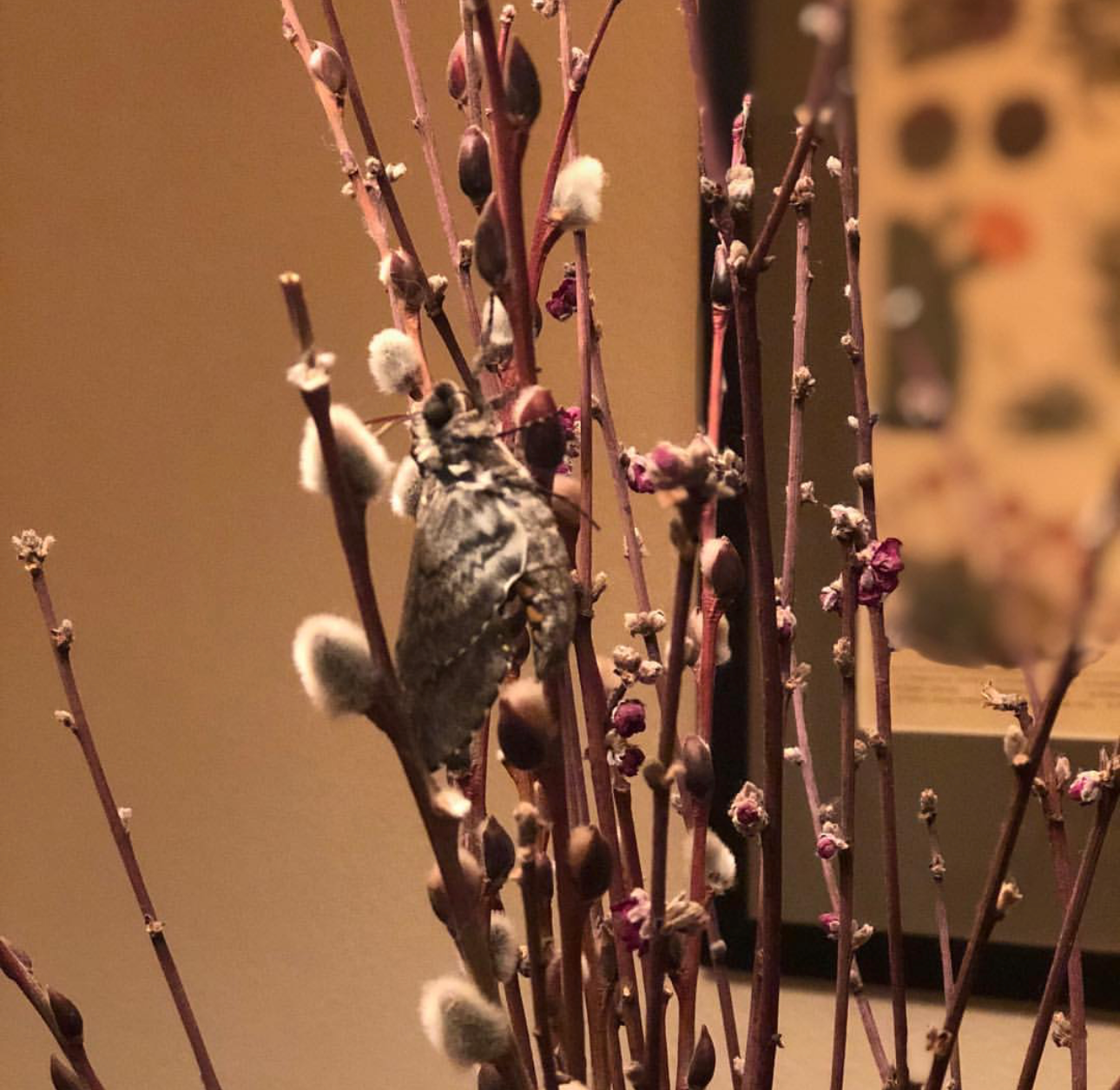
About ten days later, we woke up to two crinkly-winged sphinx moths. They hung out for a few hours to dry their wings before we took them outside and watched them fly away.
If you're in a season of unexpected outcomes and wondering how to loosen your grip without losing your footing, I'd love to explore working together.
